
Functional Pathology Testing Explained
A gentle introduction to what functional testing is, what it isn't, and why it is only ever one part of the picture.
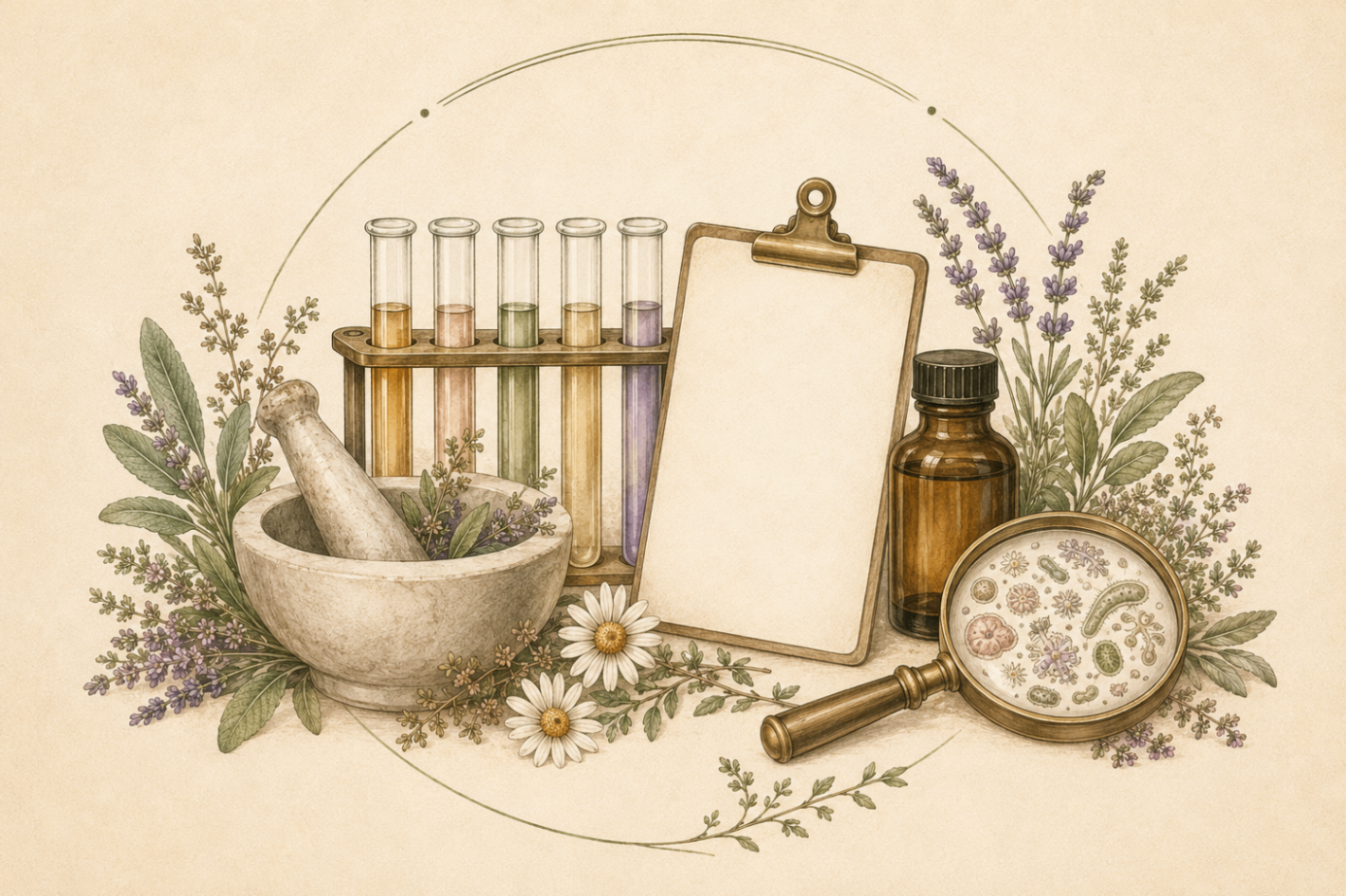
If you have ever been told your test results are “normal” while still not feeling like yourself, you are not alone. Functional pathology exists in that space — not to replace medical investigation, but to add information about how your body is working day to day.
What functional pathology actually is
Functional pathology testing analyses samples such as stool, saliva, urine or blood through an accredited laboratory, with a focus on patterns of function rather than only whether a single marker sits inside a reference range. In practice, that means looking at things like the balance of microorganisms in the digestive tract, how hormones are being metabolised, or nutritional and metabolic markers across the body.
Testing does not replace listening. Your story is still the most important information in the room.
How it differs from standard pathology
Standard pathology, ordered by your doctor, is generally used to investigate or exclude medical conditions — and it remains essential. Functional pathology is used more broadly and more exploratively. It is complementary, not a substitute, and it is never diagnostic on its own.
The profiles Sarah may consider
Sarah has practitioner access to NutriPATH, an Australian functional pathology laboratory. Depending on your presentation, she may discuss:
- Complete Microbiome Mapping — microbial diversity and richness, beneficial flora, opportunistic organisms, fungi and parasites, alongside functional digestive markers such as short-chain fatty acids, calprotectin, pancreatic elastase, secretory IgA and zonulin.
- Hormone profiles (EndoMAP, EndoSTAT, EndoSCAN, AdrenoSCAN) — oestrogen and progesterone metabolites, androgens, DHEA and cortisol patterns, depending on the profile selected.
- Nutri-STAT — a broad functional assessment across nutritional status, fatty acids, minerals, amino acids, organic acids and metabolic pathways.
You don’t need to decide before your appointment
Many people work with Sarah without any additional testing at all. If testing is discussed, it is because it may genuinely add something useful — and the decision is always yours, made together, after your consultation.
Common questions
What is functional pathology testing?
Functional pathology testing looks at how the body is functioning rather than only whether a result falls inside a standard reference range. Samples such as stool, saliva, urine or blood are analysed by an accredited laboratory, and the results are used as one piece of information alongside your health history and presentation.
How is it different from a standard blood test from my GP?
Standard pathology is generally used by your doctor to help investigate or exclude medical conditions. Functional pathology is used more broadly to explore patterns — for example the balance of gut microorganisms, how hormones are metabolised, or nutritional and metabolic markers. It is complementary to, not a replacement for, medical testing and diagnosis.
Do I have to do testing to see a naturopath?
No. Many people work with Sarah without any additional testing. Functional pathology is only discussed where it is clinically relevant and genuinely useful, and you do not need to decide anything before your appointment.
Which laboratory does Sarah use?
Sarah has practitioner access to NutriPATH, an Australian functional pathology laboratory. Commonly considered profiles include Complete Microbiome Mapping, the EndoMAP and EndoSTAT hormone profiles, and the Nutri-STAT nutritional and metabolic assessment.
Can functional pathology diagnose a condition?
No. Functional pathology results are not diagnostic. They provide additional information to help Sarah understand your picture, and she will always encourage collaboration with, or referral to, your medical practitioner where appropriate.
This article is general education only and is not intended as medical advice, diagnosis or treatment. For a personalised approach, you are welcome to read more about naturopathic care or book a consultation.