

What Is Gut Dysbiosis?
Dysbiosis is a change within the gut environment — not a verdict, and not a single disease. Here is what the term actually means.
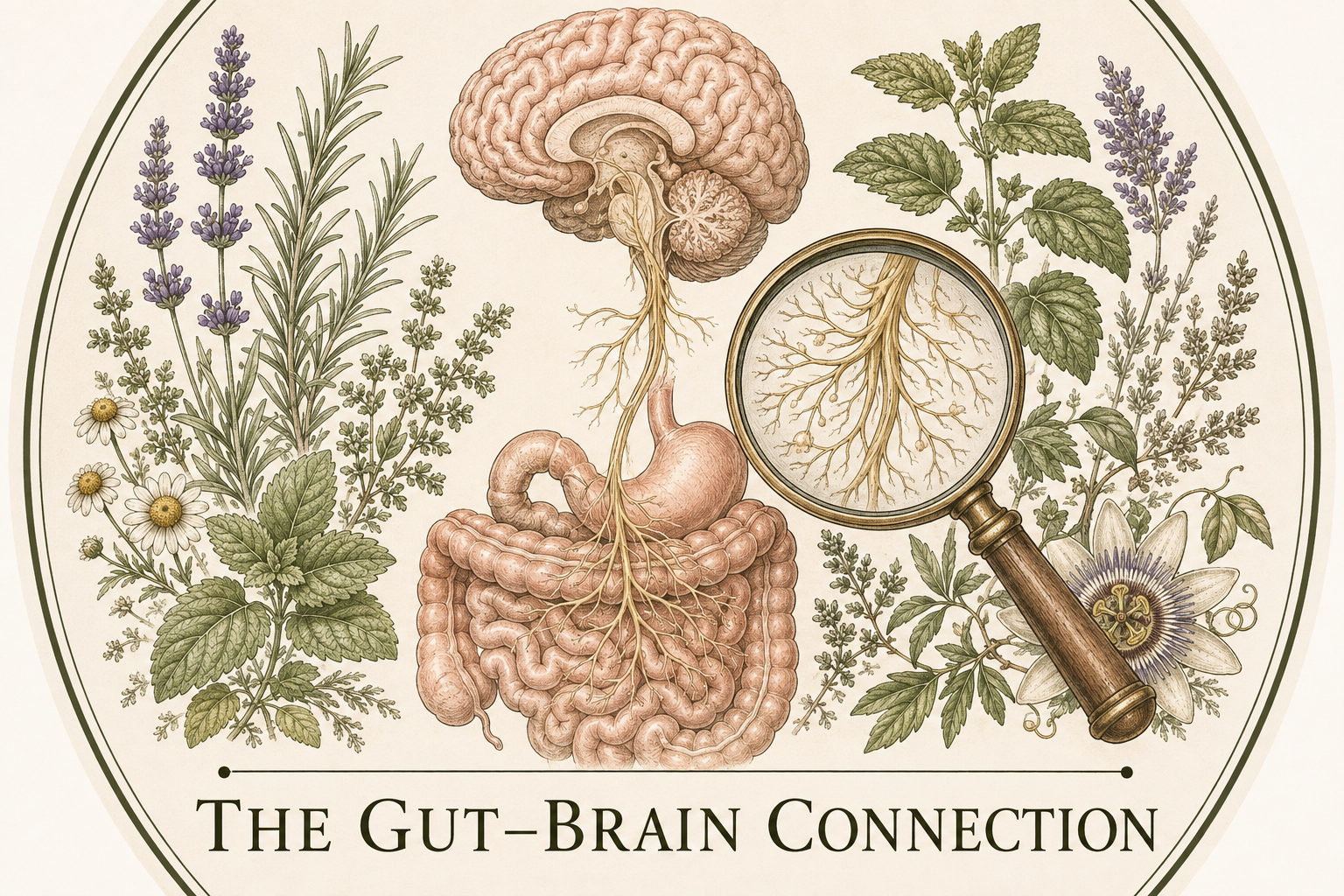
Your digestive system is home to a vast and ever-changing community of bacteria, fungi, viruses and other microorganisms. Together, they form what we call the gut microbiome.
These microorganisms aren’t simply passengers. They help break down parts of our food, produce useful compounds, interact with the intestinal lining and support many of the processes that keep our digestive system functioning well.
When this delicate ecosystem becomes disrupted, it may be described as gut dysbiosis.
What does gut dysbiosis actually mean?
Dysbiosis is a broad term used to describe an imbalance or unfavourable change within the gut microbiome.
It doesn’t simply mean that there are too many “bad” bacteria. The microbiome is far more complex than that. Dysbiosis may involve:
- A reduction in beneficial or protective microorganisms
- Lower microbial diversity
- An increase in certain microorganisms
- Changes in the way gut microbes behave or function
- Reduced production of beneficial compounds, such as short-chain fatty acids
- Microorganisms growing in an area of the digestive tract where they would not usually be found in large numbers
Dysbiosis is not a single disease or a complete diagnosis. It is better understood as a change within the gut environment that may occur alongside digestive symptoms or other health concerns.
What can influence the gut microbiome?
The gut microbiome is naturally responsive. It changes throughout life and is influenced by our food, environment, medications, stress levels, sleep, health history and daily routines.
Factors that may contribute to microbial disruption include:
- Antibiotic use and certain other medications
- Gastrointestinal infections
- A diet low in fibre or plant diversity
- Long periods of highly restrictive eating
- Ongoing stress
- Inadequate or disrupted sleep
- Regular or excessive alcohol intake
- Smoking
- Travel and changes in environment
- Underlying digestive conditions
- Significant changes in diet or lifestyle
One course of antibiotics, a stressful period or an imperfect week of eating does not mean your microbiome has been permanently damaged. The gut ecosystem can be remarkably adaptable, and many influences on it are temporary.
What might dysbiosis feel like?
There is no single symptom that confirms gut dysbiosis. Some people may experience:
- Bloating or abdominal discomfort
- Increased or uncomfortable gas
- Constipation, diarrhoea or alternating bowel habits
- Changes in stool consistency or frequency
- A feeling of fullness after eating
- Increased digestive sensitivity
- Changes in how certain foods are tolerated
These symptoms can have many possible causes. Experiencing bloating or irregular bowel movements does not automatically mean that dysbiosis is present.
Your symptoms are valuable information, but they need to be considered alongside your health history, diet, medications, stress levels and other relevant factors.
Why does microbial balance matter?
A well-functioning gut microbiome helps us extract nourishment from food and break down certain fibres that our own digestive enzymes cannot fully digest.
During this process, some gut bacteria produce compounds called short-chain fatty acids. These compounds help nourish cells within the colon and support the intestinal environment.
The gut microbiome also communicates with the immune system and intestinal lining. Research continues to explore its relationship with many areas of health, including metabolism, skin and the gut–brain connection.
However, these relationships are complex. An altered microbiome may be associated with a health concern without necessarily being its sole cause.
Can you test for gut dysbiosis?
Comprehensive stool testing can provide information about digestive function, inflammation markers and some of the microorganisms present within a stool sample.
However, there is currently no single test that can define the “perfect” microbiome or diagnose every case of dysbiosis. Our microbial communities vary considerably between individuals, and a laboratory result should never be interpreted in isolation.
Testing is most useful when it is selected for a clear reason and considered alongside:
- Current symptoms
- Bowel patterns
- Medical and medication history
- Dietary intake
- Recent infections or travel
- Relevant pathology results
- Individual health goals
Not everyone with digestive symptoms requires comprehensive testing. Sometimes a detailed conversation and a few simple foundations are the most appropriate place to begin.
Supporting a resilient gut microbiome
Supporting gut health is usually less about trying to eliminate every unwanted microorganism and more about creating an environment in which a diverse microbial community can thrive.
Gentle foundations may include:
- Eating a varied range of plant foods
- Gradually increasing fibre according to individual tolerance
- Including whole grains, legumes, nuts, seeds, vegetables, fruit, herbs and spices
- Enjoying fermented foods if they are well tolerated
- Drinking enough water
- Moving the body regularly
- Prioritising restorative sleep
- Creating space for rest and stress support
- Avoiding unnecessary restrictive diets or aggressive “gut cleanses”
Probiotics can be helpful in particular circumstances, but more is not always better. Different probiotic strains have different actions, so they should be chosen with an individual purpose in mind.
If your digestion is particularly sensitive, suddenly adding large amounts of fibre, fermented foods or probiotics may make you feel more uncomfortable. A slower and more personalised approach is often gentler.
A more balanced way to think about gut health
Your gut microbiome does not need to be perfect. It is a living ecosystem that shifts with seasons, food, stress and everyday life.
It is a living ecosystem that naturally shifts in response to seasons, food, stress, illness, travel and everyday life. The aim is not to control every microorganism, but to support an environment that is diverse, adaptable and resilient.
Gut healing is rarely about one supplement, one food or one protocol. More often, it is about gently understanding what may be contributing to your symptoms and rebuilding supportive foundations over time.
How Sarah can help
Sarah takes a full case history and considers your symptoms alongside diet, medications, stress, sleep and bowel patterns. Where clinically relevant, she may discuss NutriPATH functional pathology — including Complete Microbiome Mapping, which can explore beneficial flora, opportunistic organisms and markers such as short-chain fatty acids, calprotectin, pancreatic elastase, secretory IgA and zonulin.
She then sequences dietary change so it is sustainable, formulates practitioner-only herbal medicine specifically for you, and rebuilds beneficial flora and digestive function afterwards — working alongside your doctor where appropriate. To begin, book a naturopathic consultation.
When to seek professional support
Please speak with your GP or another appropriately qualified healthcare professional if digestive symptoms are persistent, worsening or accompanied by blood in the stool, black stools, unexplained weight loss, fever, ongoing vomiting, severe pain, difficulty swallowing, signs of dehydration or symptoms that regularly wake you during the night.
If your digestion has felt unsettled and you’re unsure where to begin, a naturopathic consultation can help you explore your individual history, dietary patterns and whether further investigation may be appropriate.
This journal entry is intended for general education and wellbeing support. It is not a substitute for personalised medical advice, diagnosis or treatment.