

Parasite ‘Die-Off’: Understanding Symptoms and Caring for the Whole Person
A grounded naturopathic perspective on treatment reactions, the gut–brain connection and supporting mind, body, soul and spirit.
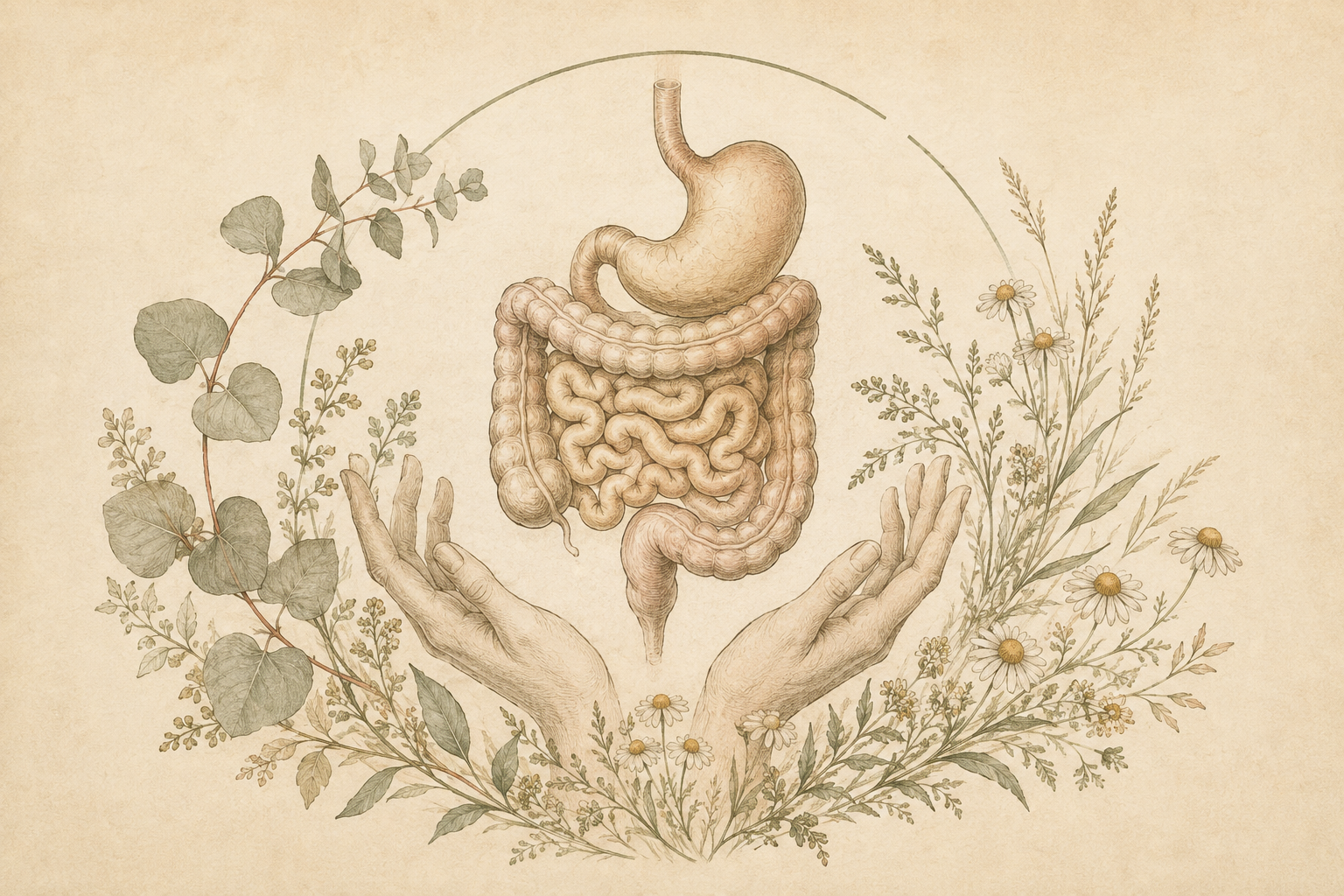
You begin something intended to help your digestion, then feel worse. Perhaps you are more nauseous, your stools become loose, or a headache appears. Someone tells you it is “parasite die-off” — an uncomfortable but necessary sign that the treatment is working.
It is an appealing explanation. It gives the discomfort a purpose. But before we accept it, there is an important clinical question: what is actually causing these symptoms?
In a naturopathic consultation, there is room to explore the physical experience and the emotional weight of feeling unwell. There is also a responsibility to recognise adverse effects, investigate symptoms appropriately and know when medical care is needed.
Feeling worse is not, by itself, evidence that parasites are present, that they are dying or that a treatment is helping. Equally, having no reaction does not mean a treatment has failed. Your symptoms deserve attention, not a requirement to push through them.
What does “die-off” actually mean?
In wellness conversations, “die-off” is often used to describe a collection of symptoms after starting an antimicrobial medicine, herbal product, supplement or restrictive “cleanse”. The symptoms people describe — fatigue, headache, bloating, nausea, diarrhoea or feeling generally unwell — are real, but they are not specific to one cause.
There are recognised inflammatory reactions to treatment in particular infections. The Jarisch–Herxheimer reaction, for example, is associated with treatment of certain bacterial infections, including syphilis. It is not a general diagnosis for symptoms during a parasite cleanse.
Some parasitic infections can also involve important treatment-related inflammation. Neurocysticercosis, an infection involving larval tapeworm cysts in the nervous system, is one specific example requiring specialist management. This does not establish that headaches or digestive symptoms during an over-the-counter cleanse are evidence of the same process.
The distinction matters: a recognised reaction has a particular clinical context. “Die-off” should not become a catch-all explanation that prevents us from checking for side effects, dehydration, an untreated illness or another problem.
Body: begin with what we know
Before discussing a reaction to parasite treatment, we need to ask what is being treated and how that diagnosis was reached.
Parasites are a diverse group of organisms, and infections differ in their symptoms, testing and treatment. Relevant details may include travel, exposure to untreated water, household illness, food exposures, medicines and the duration of symptoms. Bloating, fatigue, cravings or an unusual- looking bowel movement cannot confirm an infection on their own.
When the history suggests it, a medical clinician may arrange targeted stool testing or other investigations. No single test detects every parasite, and the choice of test matters. Sometimes more than one sample is needed. Not everyone with digestive symptoms needs parasite testing, and a negative result needs to be interpreted in the context of the test used and the symptoms.
Food fibres and mucus can be mistaken for worms. Photographs and visual inspection alone are not a reliable way to identify most intestinal infections. If you notice something concerning, ask a clinician how it should be investigated rather than starting a treatment based on appearance.
When an infection is confirmed or strongly suspected, treatment should match the organism and the person. Evidence-based medicines may be necessary. Naturopathic support can sit alongside appropriate medical care; it should not delay it or assume that every gut symptom requires an antimicrobial product.
Why might you feel worse after starting something?
The timing is useful information, but it does not prove the cause. Possibilities include:
- A side effect of a medicine, herb or supplement, including irritation of the digestive tract.
- An interaction between products, or an allergic reaction.
- Fluid and electrolyte loss from diarrhoea or vomiting.
- Eating too little, changing your diet abruptly or withdrawing from caffeine.
- Symptoms of the original illness, or a different condition that needs assessment.
“Natural” does not mean risk-free. Herbal products vary in ingredients, strength and quality, and some can interact with medicines or affect the liver. Extra care is needed during pregnancy or breastfeeding, for children, and for people with liver or kidney disease or complex medical needs.
Products marketed as “binders” are not an automatic solution. Activated charcoal can reduce the absorption of medicines and cause constipation, and it has not been established as a routine treatment for presumed parasite “die-off”. Adding more products can also make it harder to identify what is causing the problem.
Support without forcing a cleanse
For many people, helpful support begins with regular meals, adequate fluids, rest and gentle movement as tolerated. These measures support general wellbeing; they do not eradicate a parasite infection.
If diarrhoea or vomiting is ongoing, seek advice about hydration and whether an oral rehydration solution is appropriate. A pharmacist or medical clinician can help. Follow individual advice if you have a condition requiring fluid restriction.
If a non-essential over-the-counter cleanse or supplement seems to be making you unwell, stop using it and seek advice. For prescribed treatment, contact your prescriber promptly about new or worsening symptoms and what to do next. Severe reactions require urgent care, not waiting for a routine appointment. Do not increase a dose to “get through” a reaction faster.
Mind: making room for uncertainty
Digestive symptoms can take up a surprising amount of mental space. You may find yourself checking every sensation, searching for explanations or wondering whether a difficult day means something is going wrong.
The gut and brain communicate in both directions. Stress can influence gut sensitivity, movement and urgency, while ongoing gut symptoms can increase distress. That relationship is physiological; it does not mean your symptoms are imaginary. Anxiety also does not establish, or explain away, a parasite infection.
Sometimes the most supportive step is to reduce the pressure to interpret everything. A brief record of symptoms, the timing of new products and any changes in food or medicines can help a clinician. Repeatedly inspecting stools or scrolling through alarming parasite content may increase fear without providing a reliable diagnosis.
Ask for a clear plan: what are we looking for, what would change our approach, and when will we review it? Knowing the next step can be more reassuring than being told that every uncomfortable symptom is a positive sign.
Breathing slowly, taking a break from health-related searching or speaking with a supportive person may help with distress. Psychological support can be valuable when symptoms are affecting daily life, alongside — not instead of — appropriate medical investigation.
Soul: the person beyond the symptoms
Here, I use “soul” to describe the personal experience of meaning, identity and feeling like yourself. It is a reflective lens, not a medical explanation for infection.
When you have been unwell for a while, it can feel as though your body has become a project: another food to remove, another protocol to follow, another thing to get right. Language about being “toxic”, “unclean” or “full of parasites” can add shame to an already difficult experience.
An infection is not a moral failing. Digestive symptoms do not mean you have failed to eat perfectly, think positively or care enough about your health. You are not less worthy of care because the cause is uncertain or recovery is taking time.
This part of whole-person care asks gentler questions. What helps you feel connected to yourself? Which relationships make you feel safe? What enjoyable part of your day has illness pushed aside?
The answer might be music, creative work, a conversation, time outdoors or permission to rest. These things do not treat an infection, but they can help protect your sense of self while you receive care.
Spirit: support that respects your beliefs
For some people, spirituality is part of healing. For others, it is not a useful framework at all. Both positions deserve respect.
If spiritual practices matter to you, prayer, quiet reflection, time in nature or connection with a trusted community may offer comfort and meaning. They can coexist with medical treatment and practical support.
What they cannot do is confirm a parasite diagnosis or demonstrate that an infection has cleared. A change in mood, an emotional release or a vivid dream is not clinical evidence of parasites dying. There is also no sound basis for telling someone that an infection reflects spiritual impurity or unresolved emotions.
You do not need to adopt a belief system to receive whole-person care. For a secular reader, this part of the conversation might simply be about belonging, hope and what makes life feel meaningful.
Bringing the whole person into the consultation
Mind, body, soul and spirit are different ways of attending to the same person. They need not compete, and they do not all answer the same questions. Clinical investigation helps us assess disease; reflective practices can help us understand how illness is affecting your life.
If you are worried about symptoms during treatment, useful questions to bring include:
- What evidence do we have for the diagnosis?
- What is this treatment intended to do, and how will we assess whether it has helped?
- Which side effects are known, and which symptoms require urgent attention?
- Could any of my medicines or supplements interact?
- What should I do if symptoms worsen, and when should we review the plan?
Bring the names, ingredient lists and doses of everything you are taking. Include herbal blends, teas used medicinally, powders, non-prescription products and prescribed medicines. This is useful safety information, not something you need to justify.
When to seek medical care
Seek emergency help for difficulty breathing, swelling of the face or tongue, collapse, a seizure or new confusion. In Australia, call 000 for life-threatening symptoms.
Seek urgent medical assessment for severe or worsening abdominal pain, blood in the stool or black and tarry stools, persistent vomiting, marked dehydration, or a new severe headache, especially with fever, neck stiffness or neurological symptoms. These should not be labelled “die-off” and managed by continuing a cleanse.
Contact a medical clinician promptly about new or worsening symptoms after starting a treatment, ongoing diarrhoea, fever, unintentional weight loss or symptoms that are not settling. Seek advice earlier for children, during pregnancy, or if you are frail or immunocompromised.
Care should leave room for questions
A whole-person approach can be compassionate and clinically careful at the same time. It can acknowledge your hopes, beliefs and lived experience while asking whether a diagnosis is supported and whether a treatment is safe.
At its best, naturopathic care helps make sense of the picture, supports appropriate investigation and works alongside the other clinicians involved in your care. It does not require every reaction to become a story about cleansing.
You do not have to prove you are healing by enduring distress. You deserve a plan that can be questioned, reviewed and changed when your body needs something different.
General education, primarily for adults. This article does not diagnose an infection or replace individual medical assessment. Treatment decisions should be made with an appropriately qualified health professional.