

Why Your Naturopath Asks About Your Bowel Movements
A clinical look at an everyday habit, and why the details matter.
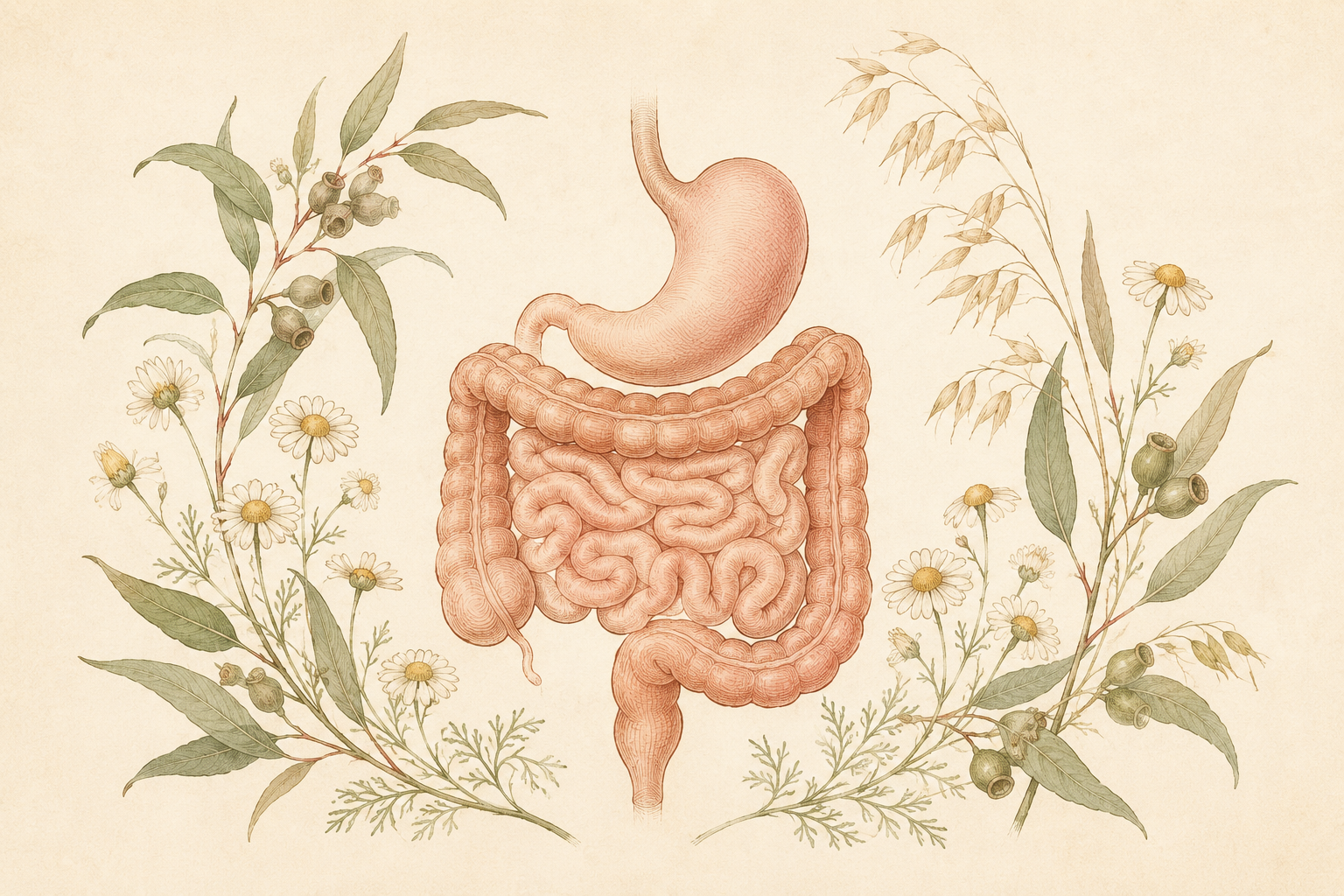
You might come to a naturopathic consultation to talk about your energy, unsettled digestion or a general sense that you are not quite yourself. Before long, the conversation turns to the toilet.
How often do you go? Is it easy to pass? Has anything changed?
It can feel unexpectedly personal. There is, however, a clinical reason for asking. Your bowel habits offer useful clues about digestion, the movement of stool through your gut, and the effects of food, medicines and everyday routines. Sometimes, they also tell us that medical investigation is needed.
When I ask about your bowels, I am gathering part of your health history. There is no perfect answer to give, and nothing to be embarrassed about.
What a bowel movement actually tells us
Most digestion and nutrient absorption take place before food reaches the large bowel. The large bowel absorbs water and electrolytes, while muscular contractions move its contents towards the rectum. Stool contains water, bacteria, undigested material and cells shed from the intestinal lining.
This helps explain why the finished result varies. If stool moves slowly, more water can be absorbed, leaving it harder and drier. When movement is faster, or the bowel is secreting extra fluid, stools may become loose. Several different conditions can produce similar changes, so appearance alone cannot establish the cause.
A bowel movement can be a useful clue. It cannot give us a complete assessment of nutrient absorption, your microbiome, hormone levels or liver function.
What does “normal” actually mean?
For many healthy adults, bowel frequency falls somewhere between three times a day and three times a week. That is a broad range, not a target. Your usual pattern, how comfortable it feels and whether it has changed are all relevant.
A reassuring pattern generally involves stools that are formed, reasonably easy to pass and not accompanied by persistent pain, bleeding or troublesome urgency. Going every day does not rule out constipation: you may still pass hard pellets, strain or feel that you have not emptied properly. Equally, frequent loose stools are not automatically a sign of efficient digestion.
Why we ask about shape and consistency
The Bristol Stool Form Scale gives us a shared language for describing stool. You do not need to memorise it. A simple description is enough to start the conversation.
| Type | What it looks like |
|---|---|
| 1 | Separate hard pellets |
| 2 | A firm, lumpy sausage shape |
| 3 | A formed sausage shape with surface cracks |
| 4 | Smooth, soft and formed |
| 5 | Soft pieces with clear edges |
| 6 | Mushy pieces with ragged edges |
| 7 | Watery, with no solid pieces |
Types 1–2 commonly accompany constipation; types 3–4 are often comfortable, formed stools. Types 5–7 become progressively looser. The scale describes stool form; it does not diagnose a condition.
The pattern over time is usually more helpful than one isolated bowel movement. A brief change after travel or a different meal may settle. A new pattern that persists deserves attention.
The details beyond frequency
Ease, urgency and the feeling of finishing
Do you need to strain? Is passing stool painful? Do you feel finished afterwards, or return repeatedly without relief? Can you comfortably wait for a toilet, or does the urge feel sudden and difficult to control? These details can point towards problems with stool consistency, bowel sensitivity or the coordination of the pelvic floor muscles.
Difficulty emptying is not always solved by adding more fibre. When the muscles involved in passing stool are not coordinating well, assessment and targeted care, sometimes including pelvic floor physiotherapy, may be more useful.
Colour and texture
Brown is the usual stool colour, partly because of pigments derived from bile. Food and medicines can change it: beetroot may produce a reddish colour, while iron supplements and bismuth can darken stools. Even so, unexplained blood or black, tarry stool should not simply be attributed to something you ate or took.
Repeatedly pale or clay-coloured stools warrant medical review, especially with yellowing of the skin or eyes or dark urine. Persistently bulky, greasy, difficult-to-flush stools can raise questions about fat digestion or absorption. Floating on its own is much less specific and can simply reflect gas.
Mucus, smell and associated symptoms
A small amount of mucus can be normal. New or persistent mucus, especially with blood, diarrhoea or pain, needs context. Smell also varies with food and other factors; a strong odour cannot identify a parasite or prove a microbiome imbalance.
I also want to know what accompanies the change: bloating, nausea, pain, fever, loss of appetite, unintentional weight loss or symptoms that wake you from sleep. These details help determine the next step.
The gut belongs to a whole person
A naturopathic lens pays attention to the circumstances surrounding a symptom. What have you been eating? Have your medicines changed? Are you getting the chance to use a toilet when you need one? Have travel, illness or a change in routine affected your usual rhythm?
The gut and brain communicate in both directions through nerve signals and other pathways. Stress can influence bowel movement, sensitivity and urgency; uncomfortable gut symptoms can also create stress. This does not make the symptoms imaginary. It explains why the emotional and physical experience can become intertwined.
Sleep disruption and menstrual changes may also be relevant. Medicines and supplements deserve the same attention as food: iron and opioid medicines can contribute to constipation, while some magnesium products, antibiotics and laxatives can cause loose stools. Do not stop prescribed treatment without discussing it with your prescriber.
Looking at the whole person means considering these influences while remaining open to a medical cause. Persistent symptoms should not be explained away as stress.
When questions lead to investigation
Constipation and diarrhoea are symptoms with many possible causes. The history may suggest a dietary or medication effect, irritable bowel syndrome, a pelvic floor problem, an infection or another condition. Coeliac disease, inflammatory bowel disease and thyroid disorders are among the possibilities considered when the pattern fits.
Testing should answer a clinical question. Depending on your symptoms, your GP or treating clinician may recommend blood tests, stool testing or further assessment. For example, tests may investigate anaemia, coeliac disease, intestinal inflammation or a suspected infection. Not everyone needs every test.
Parasite testing is considered in context, including relevant travel, exposure to untreated water and ongoing symptoms. Bloating or unusual-looking stool alone does not establish a parasite infection. A commercial microbiome report also cannot, by itself, explain every digestive symptom or replace a clinical assessment.
Good naturopathic care includes recognising when referral and collaboration will give you a safer, clearer answer.
Gentle habits that can support bowel comfort
For many people, useful starting points are ordinary and achievable: regular meals, adequate fluid, movement suited to your ability and enough time to use the toilet without rushing. A comfortable position with your feet supported can help; avoid prolonged straining.
Fibre from foods such as vegetables, fruit, oats, legumes, nuts and seeds can support bowel function, but the amount and type need to suit the person. Increase it gradually if tolerated. A sudden large increase can worsen bloating, and persistent difficulty passing stool deserves assessment rather than an endless increase in fibre. Follow individual fluid advice if you have a condition requiring fluid restriction.
If it helps you describe the pattern, keep a brief record for a few days: stool form, frequency, discomfort and any obvious changes in meals or medicines. It is an observation tool, not a reason to scrutinise every bowel movement. If tracking increases your anxiety, a simple conversation may be more useful.
You do not need to force a daily bowel movement with a cleanse. Unsupervised laxative use or products that provoke diarrhoea can cause harm, including dehydration and electrolyte disturbances. Treatment should match the cause and your individual circumstances.
When to seek medical advice
Seek urgent medical care for substantial bleeding, black and tarry stools, severe or worsening abdominal pain, fainting, marked dehydration, or a swollen abdomen with vomiting and an inability to pass stool or wind. In Australia, call 000 for collapse or other life-threatening symptoms.
Arrange a GP review for a persistent or unexplained change in bowel habits, any unexplained blood, unintentional weight loss, recurrent symptoms that wake you at night, or ongoing symptoms with unusual fatigue. Seek prompt assessment for pale stools, particularly with jaundice or dark urine. New symptoms should be assessed even if you have previously been told you have IBS or haemorrhoids.
Bowel cancer screening is intended for people without symptoms. A screening result, including a negative result, does not replace assessment of symptoms. Seek advice earlier if you are pregnant, frail or immunocompromised, or if symptoms are worsening.
A conversation without embarrassment
You do not need the right terminology, a perfect diet or a detailed stool diary to speak about your bowel health. “Something has changed” is enough to begin.
The reason I ask is simple: these everyday details can help us understand what support you need, what might be contributing and when something needs a closer look. They give us a place to start, without making assumptions about the rest of your health.
Your bowel habits are worth talking about. You deserve to be able to do that comfortably, without judgement.
General education for adults. This article does not diagnose a condition or replace individual medical assessment. Persistent, new or concerning symptoms should be discussed with an appropriately qualified health professional.