
Candida & Yeast Overgrowth, Explained
A small amount of yeast in the body is entirely normal. It is the overgrowth — and the terrain that allowed it — that deserves attention.
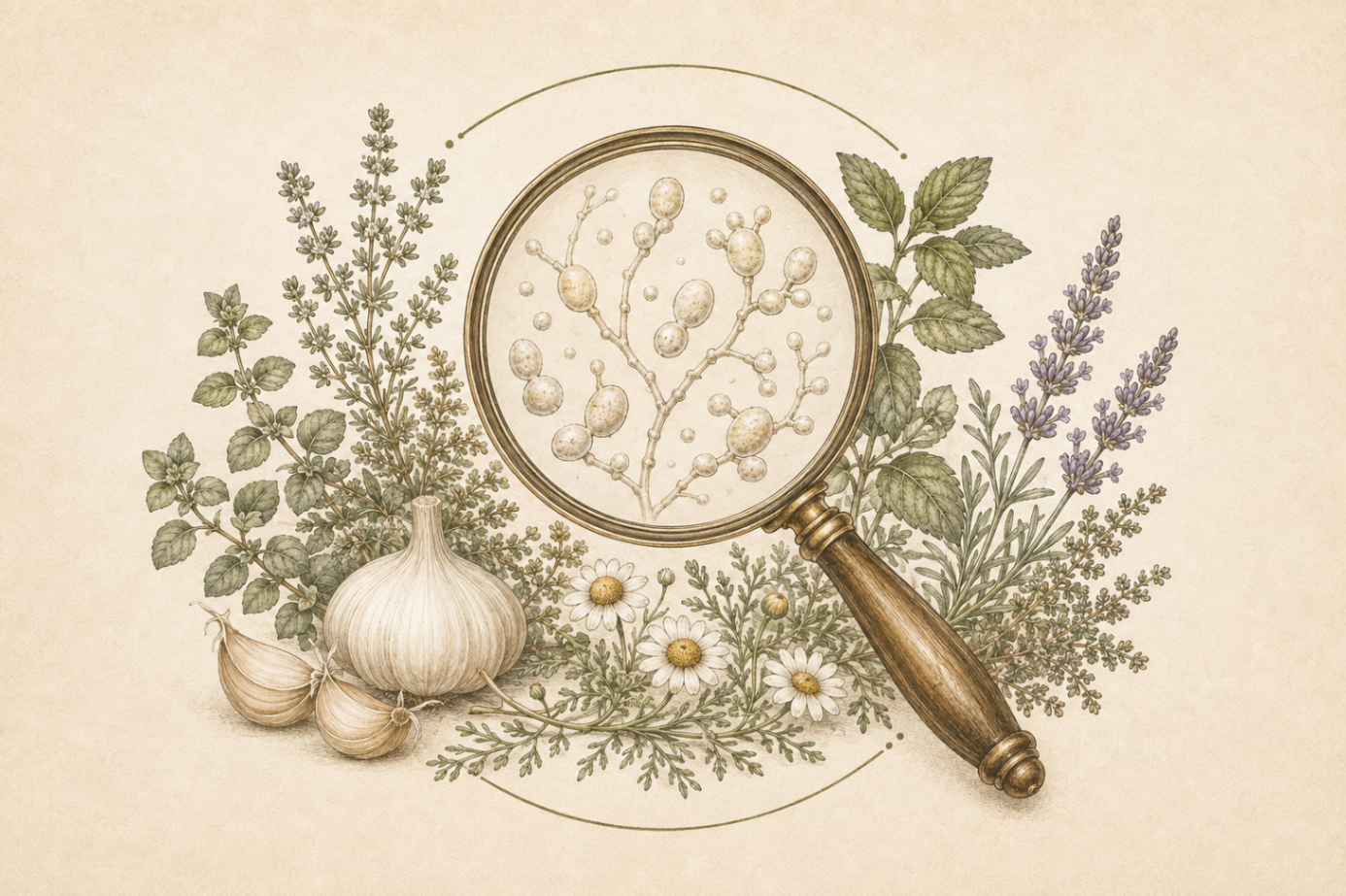
Yeast, also known as candida, is the most common fungus in the human body. It is often found in areas such as the mouth, skin, digestive tract, toenails, rectum and vagina. Mostly, having a small amount of yeast in the body is harmless — but where there is an overgrowth, it can lead to infection.
Symptoms associated with yeast overgrowth
- Nausea
- Bloating, constipation or diarrhoea
- Chronic fatigue
- Skin issues such as eczema and rashes
- Recurrent urinary tract infections
- Irritability and mood swings
- Anxiety or low mood
- Joint pain
Yeast thrives on what we feed it. Much of the work is simply changing the conditions.
What a yeast cleanse involves
The key to cleansing the body of yeast is avoiding the foods and drinks that support its growth — alcohol, caffeine, and foods high in sugar and gluten.
The first stage of a full candida cleanse involves drinking a broth made from organic onions, garlic, celery, kale, sea salt and purified water for one to two days.
Three to five days then usually look like:
- Steamed organic vegetables, excluding starchy vegetables such as potatoes, corn and carrots
- Plenty of purified water
- Salads made with leafy greens, dressed with coconut oil or apple cider vinegar
After these two stages you move into a diet rich in vegetables, protein and gluten-free grains. Foods and additions commonly encouraged include apple cider vinegar, green vegetables, green drinks, coconut oil, manuka honey, garlic, ground chia and flaxseeds, unsweetened cranberry juice, cultured dairy and spices such as turmeric and cinnamon.
These dietary measures can assist with mild overgrowths. A heavy overgrowth, or a well set-in colonisation, will require a targeted approach from your practitioner with specific herbs and supplements.
How Sarah can help
Sarah looks at yeast in context — digestion, immune function, blood sugar, stress, medications and history. Where clinically relevant she may discuss NutriPATH functional pathology, including Complete Microbiome Mapping, which can assess fungal and opportunistic organisms alongside markers of digestive function.
She then dispenses a practitioner-only herbal formula made for you, stages the dietary changes so they are realistic rather than punishing, and focuses on rebuilding beneficial flora and resilience afterwards so the pattern is less likely to return. Read the wider overview in Parasites, Yeast and Unwanted Gut Bacteria or book a consultation.
Common questions
What is candida?
Candida is the most common fungus in the human body, often found in the mouth, skin, digestive tract, toenails, rectum and vagina. A small amount is generally harmless; an overgrowth can lead to infection.
What symptoms are associated with yeast overgrowth?
Commonly reported signs include nausea, bloating, constipation or diarrhoea, chronic fatigue, skin issues such as eczema and rashes, recurrent urinary tract infections, irritability and mood swings, anxiety or low mood, and joint pain.
What does a candida cleanse look like?
It usually starts by removing what supports yeast growth — alcohol, caffeine, and foods high in sugar and gluten. A full cleanse often begins with one to two days of vegetable broth, then three to five days of steamed non-starchy vegetables, leafy salads and plenty of purified water, before moving into a diet rich in vegetables, protein and gluten-free grains.
Is diet enough on its own?
Dietary measures can assist with mild overgrowths. A heavy overgrowth or well-established colonisation generally requires a targeted approach from your practitioner using specific herbs and supplements, guided by your presentation and, where relevant, testing.
General education only, not intended to diagnose, treat, cure or prevent disease. Always speak with a medical practitioner before beginning any cleanse.