Parasites, Yeast and Unwanted Gut Bacteria
If you're struggling with gut dysbiosis, inflammation or other chronic conditions, parasites, yeast overgrowth or unwanted bacteria in the gut may be part of the picture.
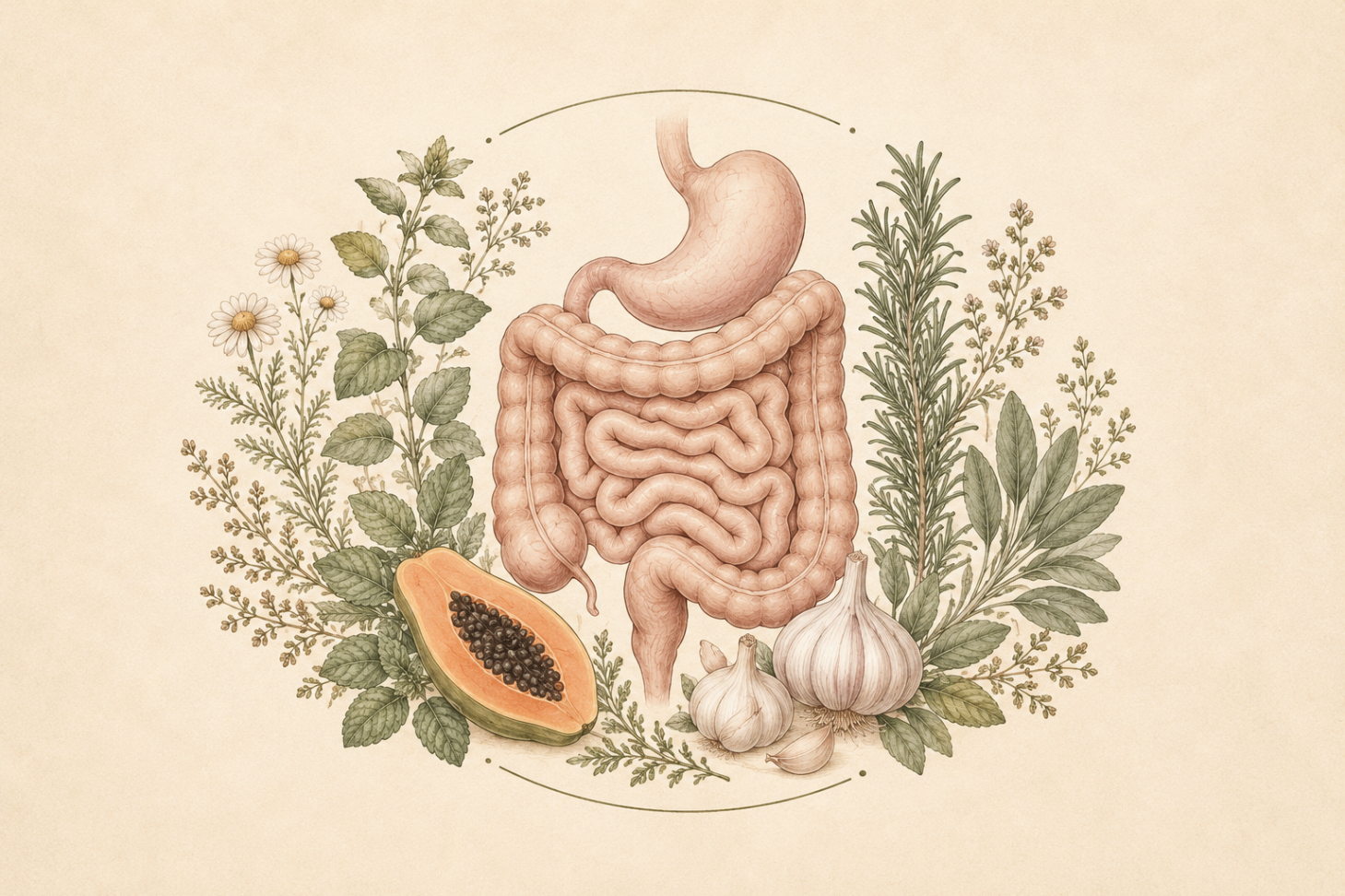
These three are among the underlying contributors to many presentations. You may not even know about some that are present in your body, while others can cause significant health problems.
It is important to speak with a medical practitioner before you embark on a parasite, bacteria or yeast cleanse. Once you have a diagnosis, you can work with a naturopathic or functional medicine practitioner to ensure any protocol is safe, individualised and effective.
Parasites
Parasites are organisms that infect the body of another living being and live off their hosts to survive. Some parasites cause no symptoms at all; others can make you very unwell. Parasitic infections occur when parasites grow, reproduce or invade organ systems in a way that makes their host ill. Common parasitic infections include worms such as roundworm and pinworm, as well as toxoplasmosis, giardiasis, cryptosporidiosis and trichomoniasis.
Most parasites come from consuming contaminated water or food, and travelling abroad can also expose you to tropical parasites. Depending on the organism and the body system affected, signs can include stomach pain and cramping, nausea, vomiting, dehydration, weight loss, fever, gas, diarrhoea, constipation, an upset stomach, flu-like symptoms, swollen lymph nodes, aches and pains, itching, redness and irritation.
The foundation of a parasite cleanse is avoiding refined sugars, grains and processed foods, increasing fibre, and building nourishment and immune resilience. Foods such as garlic, honey, pumpkin seeds and papaya seeds are often included, while tap water and raw or undercooked meat and seafood are avoided. Many stubborn parasites require a tailored approach targeted to the exact organisms, based on detailed microbiome and systemic testing.
Read more: symptoms of intestinal parasites and a functional medicine approach
Yeast
Yeast, also known as candida, is the most common fungus in the human body, often found in the mouth, skin, digestive tract, toenails, rectum and vagina. A small amount of yeast is generally harmless — but where there is an overgrowth, it can lead to infection.
Reported signs include nausea, bloating, constipation or diarrhoea, chronic fatigue, skin issues such as eczema and rashes, recurrent urinary tract infections, irritability and mood swings, anxiety or low mood, and joint pain.
Cleansing approaches focus on reducing what supports yeast growth — alcohol, caffeine, and foods high in sugar and gluten — followed by a nourishing, vegetable-forward way of eating. Dietary measures can assist with mild overgrowths; a heavy overgrowth or well-established colonisation requires a targeted approach from your practitioner with specific herbs and supplements.
Read more: candida and yeast overgrowth, explained
“Bad” gut bacteria
Not all bacteria are harmful. Beneficial bacteria are essential to us — they help digest food, assist nutrient absorption and contribute enormously to overall wellbeing. Harmful and opportunistic bacteria, however, are associated with a range of problems including SIBO and IBS-type presentations.
Signs of a bacterial imbalance can include autoimmune issues such as thyroid conditions, rheumatoid arthritis and type 1 diabetes; digestive issues such as irritable bowel syndrome, constipation, diarrhoea, heartburn or bloating; sleep disturbance; skin rashes and allergies; sugar cravings; unexplained fatigue; unexplained changes in mood; and unexplained weight change.
Read more: unwanted gut bacteria, SIBO and IBS
The aim is never simply to remove something. It is to understand why the terrain allowed it, and then rebuild it.
Herbs traditionally used for cleansing
As a naturopath there are many botanical and nutritional supports used in relation to parasites, yeast and bacterial imbalance. Some of the most researched include:
Black walnut
One of the key active components of the black walnut hull is juglone, which works by inhibiting certain enzymes needed for metabolic function. Researchers have observed that black walnut can expel parasitic worms, and it has traditionally been used in relation to ringworm, tapeworm and pin or thread worm. It also has anti-fungal and antibacterial properties.
Wormwood
Artemisinins are derived from extracts of sweet wormwood (Artemisia annua) and are well established in the treatment of malaria, including highly drug-resistant strains. Their activity also extends to unrelated parasitic infections such as schistosomiasis.
Berberine
Berberine is found in goldenseal, Coptis (goldenthread), Oregon grape, barberry and tree turmeric, concentrated in the roots, rhizomes and stem bark. Berberine extracts have demonstrated antimicrobial activity against bacteria, viruses, fungi, protozoans, helminths and chlamydia; predominant clinical uses include bacterial diarrhoea and intestinal parasite infections.
Pau d'arco
Pau d'arco comes from the bark of Tabebuia impetiginosa and Tabebuia avellanedae from the rainforests of Central and South America, and contains naphthoquinone compounds lapachol and beta-lapachone. It has antibacterial, antiviral and anti-fungal properties and is particularly associated with candida.
Clove oil
Clove oil is noted for activity against parasites, fungus and bacteria — in particular anti-fungal activity against opportunistic fungal pathogens such as Candida albicans, Cryptococcus neoformans and Aspergillus fumigatus.
Oregano oil
Oil of oregano contains phenolic constituents including thymol, carvacrol and rosmarinic acid, with antimicrobial, anti-inflammatory and antioxidant properties. It is used in relation to yeast, bacterial imbalance and intestinal parasites, and the broader balance of the gut environment.
Thyme
Thyme is a perennial shrub of the Lamiaceae family, native to the Mediterranean and abundant in phytonutrients, minerals and vitamins. It has long been recognised for antiviral, antibacterial, anti-fungal and antiseptic activity, as well as notable disruption of microbial biofilms.
Anise
Pimpinella anisum (anise) belongs to the Umbelliferae family and has been used in Iranian traditional medicine as a carminative, aromatic, disinfectant and galactagogue. Studies also describe antimicrobial, anti-fungal, antiviral, antioxidant, muscle relaxant, analgesic and anticonvulsant properties, along with various effects on the gastrointestinal system.
Coconut oil
Coconut oil's medium-chain fatty acids are believed to disrupt the membranes of lipid-coated viruses such as influenza and Epstein–Barr. In certain concentrations coconut oil has exhibited bactericidal activity against E. coli and other bacteria, and caprylic acid is known for anti-fungal properties.
Grapefruit seed extract
Grapefruit seed extract has effective anti-microbial properties, with studies showing activity against a wide range of gram-negative and gram-positive organisms at dilutions found to be safe. It disrupts the bacterial membrane, liberating cytoplasmic contents within around fifteen minutes of contact.
Several of these botanicals are potent and are not suitable in pregnancy, breastfeeding, childhood or alongside certain medications. They should only be used under the guidance of a qualified practitioner.
How Sarah can help
Sarah is a qualified naturopath who works with digestion as part of the whole picture — sleep, stress, nourishment, hormones and history included. Rather than applying a generic cleanse, her process usually looks like this:
- A thorough initial consultation — a long, unhurried conversation about your symptoms, timeline, travel history, diet, medications and what has already been investigated medically.
- Testing where it genuinely adds something — Sarah has practitioner access to NutriPATH functional pathology, including Complete Microbiome Mapping, which can explore beneficial flora, opportunistic organisms, bacterial pathogens, fungi, parasites and H. pylori alongside markers such as short-chain fatty acids, calprotectin, pancreatic elastase, secretory IgA and zonulin.
- A practitioner-only herbal formula made for you — dispensed from her Beaconsfield apothecary and adjusted as you go, rather than an off-the-shelf protocol.
- Food and lifestyle you can actually live with — paced in stages, with realistic support for energy, sleep and stress while the work is underway.
- Rebuilding afterwards — nourishing the microbiome, digestive function and immune resilience so the terrain is stronger than when you started.
- Working alongside your doctor — Sarah will always encourage collaboration with, or referral to, your medical practitioner where appropriate.
You can read more about naturopathic care with Sarah or book a consultation. Telehealth appointments are available Australia-wide.
Common questions
Can parasites, yeast or bacteria really be behind chronic symptoms?
Imbalances in the gut microbiome — including parasites, fungal overgrowth such as candida, and opportunistic bacteria — are commonly considered where digestive symptoms, skin changes, fatigue or inflammation persist. They are one possible piece of a larger picture, not an automatic explanation, which is why assessment matters.
Should I do a cleanse on my own?
It is important to speak with a medical practitioner before beginning any parasite, bacteria or yeast cleanse. Once you have appropriate diagnosis or exclusion of medical causes, you can work with a naturopathic or functional medicine practitioner so that any protocol is individualised, safe and appropriate for you.
How would Sarah investigate this?
Sarah begins with a detailed case history. Where clinically relevant she has practitioner access to NutriPATH functional pathology, including Complete Microbiome Mapping, which can look at beneficial flora, opportunistic organisms, bacterial pathogens, fungi, parasites and H. pylori alongside functional digestive markers.
Are dietary changes enough?
Dietary and lifestyle measures can support mild imbalances. Established overgrowths or specific organisms generally require a targeted practitioner-led approach with particular herbs and nutrients, chosen for your presentation and reviewed over time.
This article is general education only and is not intended to diagnose, treat, cure or prevent disease, nor to replace medical advice. Always speak with a medical practitioner before beginning any cleanse.