
Unwanted Gut Bacteria, SIBO & IBS
Good bacteria are essential to our survival. It is the harmful and opportunistic ones that quietly cause trouble.
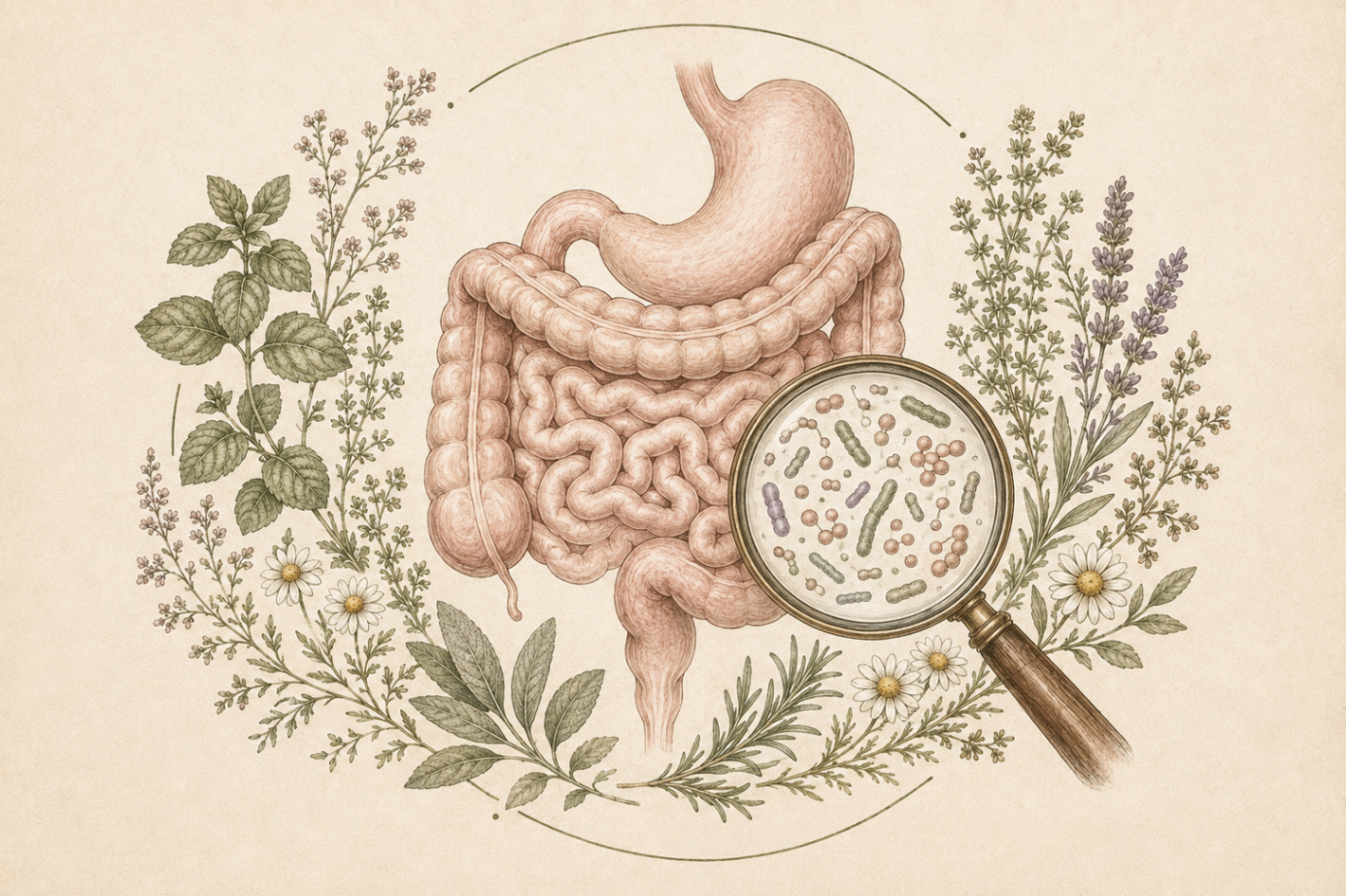
Not all bacteria are harmful. Beneficial bacteria help us digest food, absorb nutrients and contribute enormously to our overall wellbeing. Harmful and opportunistic bacteria, on the other hand, are associated with a myriad of problems including SIBO and IBS-type presentations. Reducing unwanted bacteria can assist digestion and help clear a range of unwanted symptoms.
Signs of an imbalance
- Autoimmune problems, such as thyroid issues, rheumatoid arthritis and type 1 diabetes
- Digestive issues, such as irritable bowel syndrome, constipation, diarrhoea, heartburn or bloating
- Sleep issues
- Skin rashes and allergies
- Sugar cravings
- Unexplained fatigue or sluggishness
- Unexplained mood changes, such as low mood or anxiety
- Unexplained weight gain or weight loss
A gut is an ecosystem, not a battlefield. The goal is balance, not scorched earth.
What a bacteria cleanse involves
Reducing harmful bacteria in the gut generally begins with avoiding processed and junk foods, refined sugar and artificial sweeteners, alcohol and caffeine. Inflammatory foods such as gluten, dairy, soy, corn, nightshades and eggs are also often reduced for a period.
From there, increase your intake of prebiotics and probiotics and eat a rainbow of vegetables and fruit. Look at your lifestyle too — improving sleep, lowering stress and moving your body all change the environment your microbiome lives in. You can read more about that ecosystem in What Is the Gut Microbiome?
How Sarah can help
Sarah takes a full case history and, where clinically relevant, may discuss NutriPATH functional pathology — including Complete Microbiome Mapping, which can explore beneficial flora, opportunistic organisms, bacterial pathogens and H. pylori alongside short-chain fatty acids, calprotectin, pancreatic elastase, secretory IgA and zonulin.
She then formulates practitioner-only herbal medicine specifically for you, sequences dietary change so it is sustainable, and rebuilds beneficial flora and digestive function afterwards — working alongside your doctor where appropriate. See the overview in Parasites, Yeast and Unwanted Gut Bacteria or book a consultation.
Common questions
Are all gut bacteria bad?
No. Beneficial bacteria are essential to our survival — they help digest food, support nutrient absorption and contribute enormously to overall wellbeing. It is harmful and opportunistic bacteria that cause problems.
What are the signs of a gut bacteria imbalance?
Reported signs include autoimmune issues such as thyroid conditions, rheumatoid arthritis and type 1 diabetes; digestive issues such as irritable bowel syndrome, constipation, diarrhoea, heartburn or bloating; sleep disturbance; skin rashes and allergies; sugar cravings; unexplained fatigue; unexplained mood changes; and unexplained weight gain or loss.
How does this relate to SIBO and IBS?
Harmful and opportunistic bacteria are associated with a myriad of problems including SIBO and IBS-type presentations. Reducing unwanted bacteria and supporting beneficial flora can assist digestion and a range of unwanted symptoms.
What does a bacteria cleanse involve?
Avoiding processed and junk foods, refined sugar and artificial sweeteners, alcohol and caffeine, and often reducing inflammatory foods such as gluten, dairy, soy, corn, nightshades and eggs. Prebiotics and probiotics are increased, along with a wide variety of vegetables and fruit, plus attention to sleep, stress and movement.
General education only, not intended to diagnose, treat, cure or prevent disease. Always speak with a medical practitioner before beginning any cleanse.